Critical Brick Structural Repair Warnings for Hawkesbury
Cracked mortar, bulging walls and loose brickwork deserve prompt attention, particularly where a Hawkesbury property experiences flooding, persistent damp or changing ground conditions. Some defects are superficial, but others indicate movement that threatens brick structural integrity. Knowing the difference helps you arrange the right inspection before damage becomes dangerous or expensive.

This guide explains the warning signs, immediate safety steps and repair options. An on-site assessment is essential: photographs and crack measurements alone cannot confirm whether a wall is safe.
Warning Signs That Need Urgent Assessment
Look for changes rather than relying on a single crack-width rule. A narrow crack that grows quickly can be more concerning than an older, stable crack. Arrange professional assessment when you notice any of these symptoms:
- Bulging, leaning or separating brickwork: outward movement can indicate failed wall ties, inadequate restraint or foundation movement.
- New or widening stepped cracks: cracks following mortar joints, particularly around windows and doors, can indicate structural movement.
- Loose bricks or falling fragments: unstable facades, parapets and chimney stacks present a risk to people below.
- Sagging masonry above openings: cracked bricks and rusty staining near lintels can indicate deteriorating support.
- Sudden changes after flooding or ground disturbance: new gaps, sticking doors or displaced brickwork warrant investigation.
- Deep mortar loss and crumbling bricks: extensive deterioration can weaken the wall, especially where moisture remains trapped.
If collapse appears possible, keep everyone away from the affected area. Do not stand beneath unstable masonry or attempt to push it back into place. Leave the building if it seems unsafe and call emergency services on 000 where there is immediate danger.
Why Hawkesbury Brickwork Can Deteriorate
Ground movement and flood-related damage
Across the Hawkesbury, site conditions vary considerably. Changes in soil moisture, leaking underground pipes, nearby excavation and floodwater can affect foundations or the ground supporting them. After inundation, damage may also include erosion around footings and concealed deterioration. Do not assume that drying the visible wall resolves the underlying problem.
Water entry and failing drainage
Overflowing gutters, defective flashings and downpipes discharging near foundations can keep brickwork wet. White salt deposits, damp patches and flaking brick faces are useful clues, although they do not establish the cause on their own. Effective brick deterioration repair starts with identifying the moisture source rather than covering the symptoms.
Ageing mortar, corroded steel and restricted movement
Mortar naturally weathers, while embedded steel lintels and wall ties can corrode under suitable conditions. Brickwork also expands and contracts. Where movement joints are missing, obstructed or defective, cracking may develop. A specialist should determine whether brick expansion joint repair is appropriate; filling every gap with rigid mortar can make movement problems worse.
What to Do Before Repairs Begin
- Record the changes safely. Take dated photographs from a safe position and note recent flooding, plumbing leaks, excavation or drainage changes.
- Arrange the right inspection. A structural engineer should assess suspected instability, significant movement or recurring structural cracks. A qualified masonry contractor can assess routine mortar deterioration.
- Investigate water and ground conditions. Include roof drainage, plumbing, surface falls and footing exposure where relevant.
- Request a written repair scope. It should explain the likely cause, proposed materials, temporary support requirements and any further investigation.
- Check approval requirements. Structural alterations and work affecting heritage properties may require approvals. Confirm requirements with Hawkesbury City Council and the relevant building professional before work starts.
Choose Repairs That Address the Cause
Repointing and mortar restoration
Brick repointing services remove deteriorated mortar to a suitable depth and replace it with a compatible mix. Brick joint repair, brick mortar replacement and brick mortar restoration can improve weather resistance, but they do not correct foundation movement or failed wall supports. Older masonry may need lime-based mortar; an excessively hard replacement can damage softer bricks.
Structural repairs and reconstruction
Depending on the diagnosis, brick structural repair may involve engineered crack stitching, lintel replacement, wall-tie remediation or foundation work. Severe displacement or extensive material failure can require partial brick wall reconstruction. These methods are not interchangeable, and cosmetic brick facade repair is not a substitute https://trevorvpxj648.fotosdefrases.com/can-solar-panels-be-installed-on-an-older-roof-safely for restoring structural support.
A comprehensive wall repair plan should also identify why previous repairs failed. Repeatedly filling a moving crack hides useful evidence without necessarily making the wall safer.
Control Moisture Without Trapping It
Comprehensive drainage solutions may include correcting surface falls, repairing stormwater connections and directing roof runoff away from footings through an approved discharge arrangement. Brick erosion control and brick durability enhancement depend on managing exposure and using compatible repair materials, not simply applying a waterproof coating.
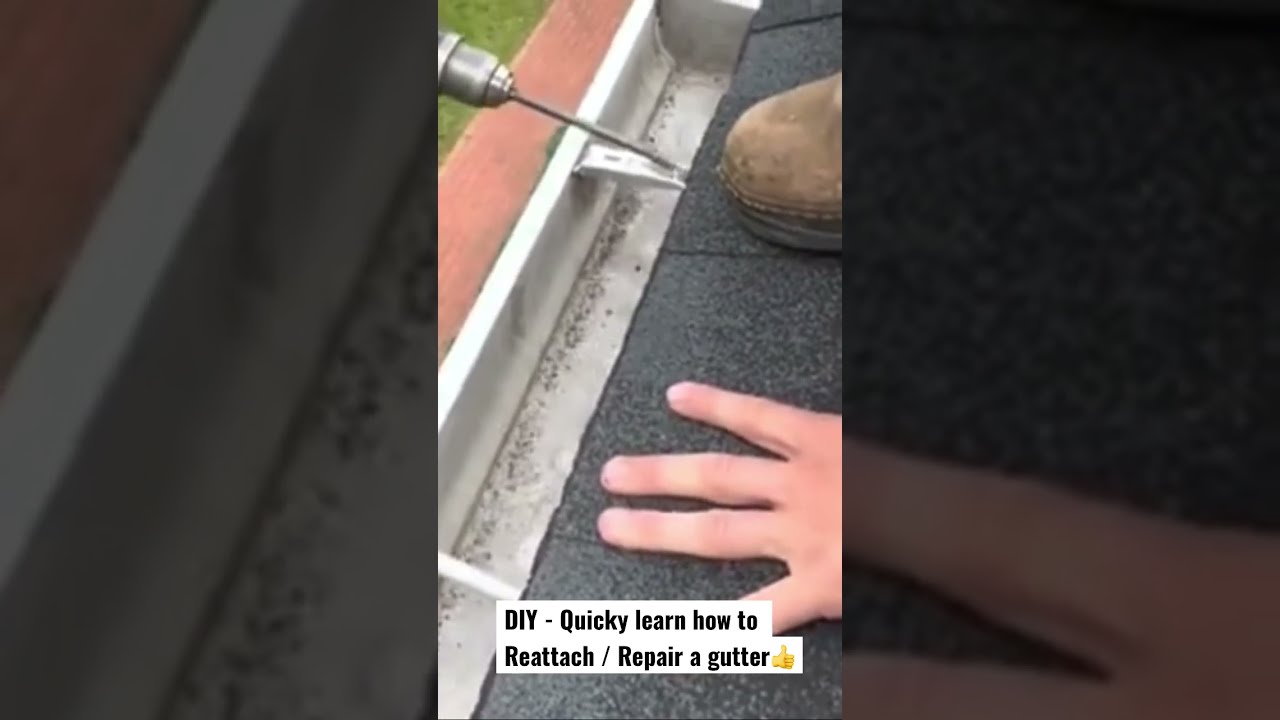
Advanced gutter solutions should suit the roof catchment, rainfall demands and available outlets. Comprehensive gutter services may include damaged gutter repair, aluminum gutter repair or copper gutter maintenance, depending on the installed material. Larger properties may need commercial gutter services and a coordinated drainage assessment.
Brick wall weatherproofing requires care. Keep weep holes and cavity drainage paths clear. Comprehensive sealing solutions are not automatically suitable for every wall: impermeable products can trap moisture and accelerate deterioration. Similarly, complete painting sealing, comprehensive painting sealing and commercial painting sealing should never be used to disguise unresolved damp or movement. Even advanced painting techniques cannot stabilise defective masonry.
Check Related Roof and Ventilation Defects
Leaks at roof-to-wall junctions can undermine otherwise sound brickwork. Comprehensive roof maintenance and comprehensive roof repair should include flashings, penetrations and drainage connections. Where damage is extensive, comprehensive roof replacement may be more appropriate than repeated patching.
When comparing comprehensive roofing services, ask what terms such as advanced roof repair, certified roof repair or certified roof reroofing actually mean. Verify relevant licensing, insurance and any claimed manufacturer accreditation. Labels such as complete roofing replacement, complete roof installation and comprehensive roof reroofing should come with a clear written scope.
Material-specific work, including asphalt shingle replacement or cedar shake replacement, is relevant only where those roof coverings are present. For commercial roofing, coordinated commercial roof repair and commercial roof solutions should address adjoining masonry and drainage rather than treating the roof in isolation.
Condensation can also contribute to moisture problems. Advanced ventilation techniques, customized roof ventilation and comprehensive roof venting require assessment of the roof design, insulation and moisture sources. Attic ventilation installation or attic ventilation repair may help in suitable buildings, but attic cooling methods and attic heat reduction do not repair structural cracks. Changes intended to improve brick thermal insulation must also preserve necessary drainage and moisture control.
Arrange an Assessment Before Covering the Damage
Regular brick wall maintenance helps identify emerging problems, but movement, bulging and loose masonry need more than routine upkeep. For a Hawkesbury property, the safest next step is a documented inspection followed by repairs matched to the cause. Make the structure safe first, resolve water entry second, and complete cosmetic finishes only when the underlying problem is addressed.
Top Hawkesbury Roofer
Bells Line of Rd, Kurmond NSW 2757, Australia
(02) 4503 4545